
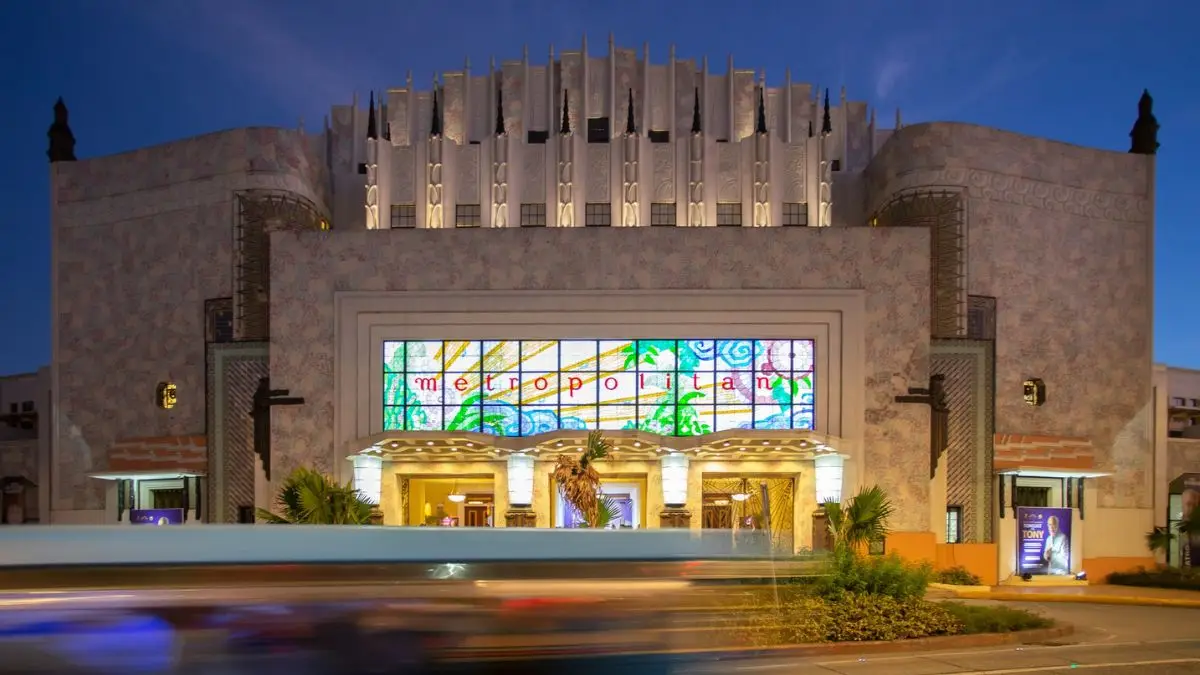
- Iconic architecture functions as a permanent value multiplier for nearby residential and commercial properties.
- Modern landmarks integrate cultural identity with futuristic aesthetics to create unique, high-demand investment zones.
- Strategic development of landmark structures in hubs like BGC and Cebu accelerates district-wide economic growth.
- Visionary design reduces long term marketing costs by establishing an immediate and lasting global presence.
The relationship between iconic architecture and economic growth is a well-documented phenomenon, often referred to as the effect of landmark development. In the Philippines, this trend is reaching a new peak as the country moves away from traditional building styles toward bold, futuristic urbanism. For the discerning investor, a culturally significant modern landmark is more than a point of pride: it is a strategic asset that influences the valuation of an entire district. Architectural landmarks in the Philippines are redefining how value is created in urban environments, particularly in high-growth areas like Bonifacio Global City and the historic yet modernizing streets of Manila.
The Economic Ripple Effect of Modern Landmark Design in the Philippines
When a futuristic landmark is introduced into an urban environment, the impact on local real estate prices is often immediate. We see this clearly in districts like Makati and Taguig, where iconic skyscrapers have turned once-marginal lands into the most expensive real estate in the country. The value is not just contained within the walls of the landmark itself: it radiates outward. Residential condominiums and commercial offices located in the shadow of a significant architectural work often see a premium in their lease rates and resale values.
Specialized architecture serves as a signal of stability and prestige. When a developer builds a structure that incorporates avant-garde aesthetics and advanced technology, it tells the market that the area is primed for high-end growth. This attracts other premium businesses, luxury retailers, and upscale residents, creating a virtuous cycle of appreciation. In emerging hubs like Davao and Iloilo, the introduction of a single modern landmark can transform a local neighborhood into a regional business center.
Integrating Cultural Identity with Futuristic Ambition
A truly successful landmark in the Philippines must do more than look modern: it must resonate with the cultural aspirations of the people. Modernity and futurism are not about erasing the past, but about building a vision of the future that is distinctly Filipino. By understanding the local cultural context, developers can create landmarks that feel both revolutionary and rooted.
This intersection of culture and design is a powerful tool for asset differentiation. In a world of generic glass boxes, developments with a strong architectural identity stand out within increasingly competitive urban markets. Projects such as The Proscenium at Rockwell demonstrate how contemporary landmark architecture can reinforce district prestige while attracting high-net-worth residents, multinational corporations, and long-term investment interest.
Landmarks as Hubs for High-Tech and AI Integration
The modern landmark is no longer a static monument: it is a high-performance system. Today, culturally significant buildings in the Philippines are being designed with Artificial Intelligence at their core. AI-managed systems for lighting, security, and climate control ensure that buildings operate efficiently while enhancing the user experience.
This technological integration safeguards long-term asset value. Buildings that lead in AI and PropTech adoption attract modern tenants and investors, making them resilient in an evolving digital economy.
The Strategy of Developing Iconic Regional Anchors
The expansion of the Philippine economy into regional growth centers has opened new frontiers for landmark development. In places like New Clark City, developers are working on a blank canvas, applying futuristic urbanism at a master-plan level.
In regions such as Cebu and Davao, landmarks redefine the perception of the city. They signal readiness for global investment and drive land appreciation, providing strong returns for early investors.
Specialized Design as a Tool for Market Dominance
In a competitive real estate landscape, the developer who builds the most iconic structure captures the market’s attention. Specialized architecture transforms buildings into brands, allowing owners to command premium pricing independent of broader market conditions.
This is particularly important for hospitality and commercial assets, where design serves as a continuous marketing asset. Landmark properties benefit from higher retention rates and reduced marketing costs, making them highly efficient long-term investments.
The AVE Take
Architectural landmarks are key drivers of urban prestige and economic value in the modern Philippine landscape. By prioritizing futuristic design and cultural relevance, investors can create assets that multiply surrounding property value. Architectural landmarks in the Philippines represent a strategic investment approach, ensuring long-term growth and market leadership.
It attracts high-end businesses and residents, raising demand and pricing in surrounding areas.
It signals innovation and attracts premium tenants and investors.
Yes, regions like Clark, Cebu, and Davao offer strong opportunities.
AI improves efficiency, security, and long-term operational performance.
It creates differentiated, high-value assets that drive faster ROI and appreciation.
AVE Group Inc. provides strategic investment advice and management for culturally significant and modern architectural developments in the Philippines. We serve as a venture partner, connecting investors with landmark projects that drive district-wide value and long-term growth.