
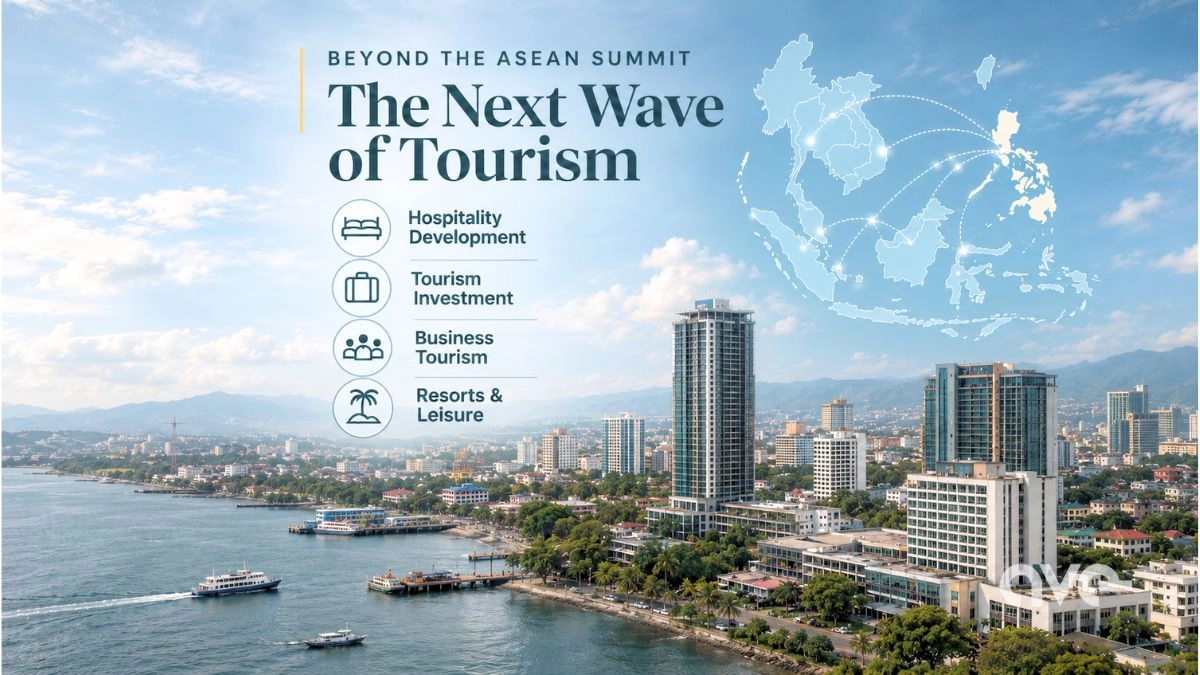
- The Philippines’ hosting of the 2026 ASEAN Summit could bring greater international attention to the country’s tourism and hospitality industries.
- The Department of Tourism anticipates that increased exposure could encourage additional international visitors, particularly from neighboring ASEAN markets.
- Metro Manila, Cebu, Clark, Bohol, and Davao present different opportunities for hospitality investment and business expansion.
- Hotels, resorts, convention facilities, and tourism-related businesses could benefit if international exposure translates into sustained visitor demand.
- Prospective investors should evaluate infrastructure, market demand, competition, and long-term profitability when exploring hospitality opportunities.
Could International Attention Unlock New Tourism Opportunities?
The Philippines’ moment on the ASEAN stage could open new doors for Philippine tourism investment. As the country welcomes regional meetings and international delegations throughout 2026, greater international visibility presents opportunities to attract visitors, strengthen business connections, and encourage investment across the hospitality sector.
Beyond diplomatic discussions and regional cooperation, major international gatherings introduce destinations to business travelers, corporate representatives, prospective investors, and visitors seeking new experiences. For the Philippines, this presents an opportunity to showcase not only its established tourism destinations but also its capabilities as a center for business, hospitality, and international events.
In a November 20, 2026 report by ABS-CBN News, the Department of Tourism expressed optimism that the country’s ASEAN hosting responsibilities could encourage additional tourist arrivals. Tourism officials cited year-on-year visitor growth of approximately 2% to 4%, with arrivals from ASEAN member states increasing by around 8%.
While these figures do not establish a direct impact from the summit, they provide context for expectations of continued tourism activity. For businesses and investors, the more important question is whether this international exposure can translate into sustained demand for accommodation, leisure facilities, and related commercial services.
Why the ASEAN Summit Matters Beyond Diplomacy
International summits bring together government representatives, corporate executives, industry organizations, and other international visitors. Their activities create demand for hotels, restaurants, transportation providers, convention facilities, and event management services, generating commercial opportunities beyond the official meetings themselves.
However, the longer-term value of hosting international events may extend beyond immediate visitor spending. Delegates and business travelers can become familiar with local destinations, infrastructure, and commercial environments, potentially encouraging future visits, business relationships, and investment exploration.
For the Philippines, several areas of the hospitality industry could benefit if this exposure develops into sustained demand:
- Hospitality development: Hotels, serviced residences, resorts, and other accommodation facilities serving different visitor markets.
- Business tourism: Convention centers, exhibition venues, corporate meeting facilities, and professional event services.
- Leisure tourism: Resorts, attractions, and experience-oriented businesses catering to visitors extending business trips or returning for holidays.
- Supporting industries: Transportation, food services, retail, entertainment, property management, and other tourism-related businesses.
These opportunities are not automatic consequences of hosting an international summit. Their commercial value will depend on the country’s ability to maintain visitor interest, strengthen connectivity, and provide services that meet the expectations of international travelers.
Philippine Destinations Worth Watching
Philippine tourism investment extends beyond the country’s most recognizable beaches and resort destinations. Different regions offer distinct opportunities depending on their accessibility, commercial activity, visitor markets, and existing hospitality infrastructure.
For prospective investors, understanding these differences can help identify which destinations align with particular business models and development objectives.
Metro Manila: The Center of Business and International Events
As the country’s principal commercial center, Metro Manila remains a major destination for corporate travel, international meetings, exhibitions, and professional events. Established business districts such as Makati, Bonifacio Global City, and Ortigas support demand for accommodation and hospitality services catering to corporate and international visitors.
Business hotels, serviced residences, conference facilities, and hospitality developments integrated with commercial districts are among the property types relevant to this market. For investors, proximity to business centers, transportation networks, and established commercial activity can be important considerations when evaluating potential developments.
Cebu and Mactan: Where Business Meets Leisure
Cebu offers a combination of international tourism appeal and substantial commercial activity. Mactan’s resort destinations, international airport connectivity, and established hospitality infrastructure support leisure travel, while Cebu City’s business districts serve corporate visitors and regional commerce.
This combination creates opportunities across different hospitality segments, from beachfront resorts and boutique accommodations to business hotels and mixed-use developments. It also allows businesses to explore concepts that serve both leisure travelers and professionals attending meetings, conferences, or corporate events.
Clark and New Clark City: An Emerging Business Destination
Clark and New Clark City are relevant to investors evaluating hospitality opportunities beyond Metro Manila. Clark International Airport, established economic activity, and surrounding infrastructure provide a foundation for developments serving business travelers and regional commercial markets.
Potential opportunities include business hotels, serviced accommodations, meeting facilities, and hospitality components within larger mixed-use developments. However, future investment prospects will depend on the pace of commercial expansion, infrastructure improvements, and the growth of visitor demand throughout Central Luzon.
Bohol and Panglao: Opportunities in Destination Tourism
Bohol, particularly Panglao, has an established reputation for leisure tourism. Its beaches, natural attractions, and accommodation market make it relevant to investors exploring resort developments, boutique hospitality, and experience-oriented tourism businesses.
As travelers seek distinctive experiences, opportunities may emerge for hospitality concepts that combine accommodation with local culture, wellness, nature, and recreation. Investors must also consider environmental requirements, infrastructure capacity, seasonal demand, and competition from existing establishments when evaluating potential projects.
Davao: Hospitality Opportunities in Mindanao
Davao’s role as a regional commercial center supports demand for business travel, professional gatherings, and related accommodation services. Its position within Mindanao also makes it relevant to companies exploring commercial expansion beyond the country’s traditional metropolitan centers.
Business hotels, conference facilities, serviced accommodations, and hospitality businesses supporting regional commerce represent potential areas of investment interest. As with other emerging markets, the feasibility of new developments will depend on local economic activity, accessibility, and the ability to attract consistent visitor demand.
Where Could the Next Hospitality Opportunities Emerge?
The opportunity for investors is not simply to build more hotels or resorts. It is to identify gaps between existing hospitality supply and the requirements of different visitor markets.
In established destinations, opportunities may involve upgrading older properties, expanding accommodation capacity, or introducing hospitality concepts that differentiate themselves from existing competitors. In developing markets, investors may consider business hotels, smaller resort properties, mixed-use tourism destinations, or supporting services that respond to improvements in accessibility and local infrastructure.
Several commercial considerations deserve particular attention:
Visitor demand: The number of arrivals, overnight stays, visitor spending, and the characteristics of target travelers can help determine whether additional hospitality businesses are commercially viable.
Existing competition: Understanding the number, quality, and positioning of comparable hotels and resorts can help investors identify underserved market segments.
Infrastructure capacity: Airports, roads, utilities, and local services must be capable of supporting additional visitor activity and hospitality development.
Operating performance: Occupancy levels, average daily room rates, staffing expenses, and maintenance costs provide important context for evaluating potential profitability.
Development feasibility: Land availability, regulatory requirements, construction costs, and financing conditions can significantly influence the commercial viability of a hospitality project.
The most attractive opportunities are not necessarily found in the country’s most popular destinations. They may emerge where visitor demand, property availability, infrastructure, and operating conditions align with a well-defined business strategy.
Tourism Growth Creates Opportunities Beyond Hotels and Resorts
A stronger tourism sector can generate commercial activity across a much wider network of businesses. Hospitality developments require construction services, equipment, technology, food suppliers, transportation, property management, and other supporting services, creating opportunities for companies that may not directly operate accommodation facilities.
For international businesses, this opens several possible entry points into the Philippine market. Companies may explore direct investment, partnerships with local enterprises, service provision, technology distribution, or the expansion of existing operations into destinations with growing tourism activity.
Tourism-related growth can also contribute to broader real estate development. Commercial establishments, retail spaces, accommodation facilities, and supporting infrastructure often develop around destinations that attract consistent visitor demand. This creates opportunities for businesses operating across hospitality, property development, construction, and commercial services.
However, international visibility alone cannot guarantee profitability. Businesses must evaluate local market conditions, understand their target customers, and develop operating strategies capable of remaining viable beyond major international events or temporary increases in visitor activity.
Turning International Attention Into Long-Term Investment
The ASEAN Summit presents an opportunity for the Philippines to strengthen its international profile and demonstrate its capabilities as a destination for business, tourism, and investment. Whether this exposure produces a measurable increase in visitor arrivals or new hospitality developments will depend on market conditions and developments in the months ahead.
For prospective investors, the opportunity is to look beyond the immediate attention generated by international events and examine destinations capable of supporting sustained commercial activity. Established tourism markets, emerging business centers, and developing regional destinations each offer different possibilities for companies with the right market understanding and investment strategy.
While hosting an international summit alone cannot guarantee sustained tourism growth, the Philippines’ strengthening regional connections and diverse hospitality markets provide compelling reasons for businesses and investors to explore new opportunities. Turning international attention into lasting commercial activity could help shape the next chapter of the country’s tourism industry.
The Department of Tourism expects the country’s international exposure to encourage additional visitors. However, the summit’s actual impact on arrivals will need to be evaluated using subsequent tourism data.
Metro Manila, Cebu and Mactan, Clark and New Clark City, Bohol and Panglao, and Davao present different opportunities depending on visitor demand, infrastructure, and commercial activity.
Hotels, resorts, convention facilities, serviced accommodations, transportation providers, restaurants, and tourism-related service businesses may benefit where sustained demand develops.
Important considerations include visitor demand, existing competition, infrastructure, location, development costs, regulatory requirements, and expected operating performance.
The Philippines’ evolving tourism and hospitality landscape presents opportunities for international companies seeking to establish or expand their presence in the country. These opportunities extend beyond accommodation developments to commercial services, property investment, construction, and businesses supporting tourism activity.
AVE Group Inc. helps foreign businesses and investors navigate opportunities in the Philippine market, supporting business development, local coordination, and the exploration of potential partnerships.
Whether evaluating hospitality developments, tourism-related ventures, or broader commercial opportunities, informed market research and strategic planning remain essential to long-term business success.
Connect with AVE Group Inc. to explore business and investment opportunities in the Philippines.