
- Destination development creates long-term economic value beyond tourism.
- Successful destinations combine infrastructure, investment, business, and community planning.
- Public and private sector collaboration plays a critical role in sustainable growth.
- Integrated planning helps destinations remain competitive over the long term.
Destination development is often associated with hotels, resorts, and tourism campaigns. While these elements are important, successful destinations are built on a much broader foundation that includes infrastructure, investment, business activity, accessibility, and long-term planning.
As regions across the Philippines continue to attract visitors, businesses, and investors, destination development has become an increasingly strategic process that balances economic opportunity with sustainable growth. Developments such as Bonifacio Global City, Clark, Cebu IT Park, and New Clark City demonstrate how coordinated planning can create destinations that remain economically competitive long after individual projects are complete.
Building More Than Tourist Destinations
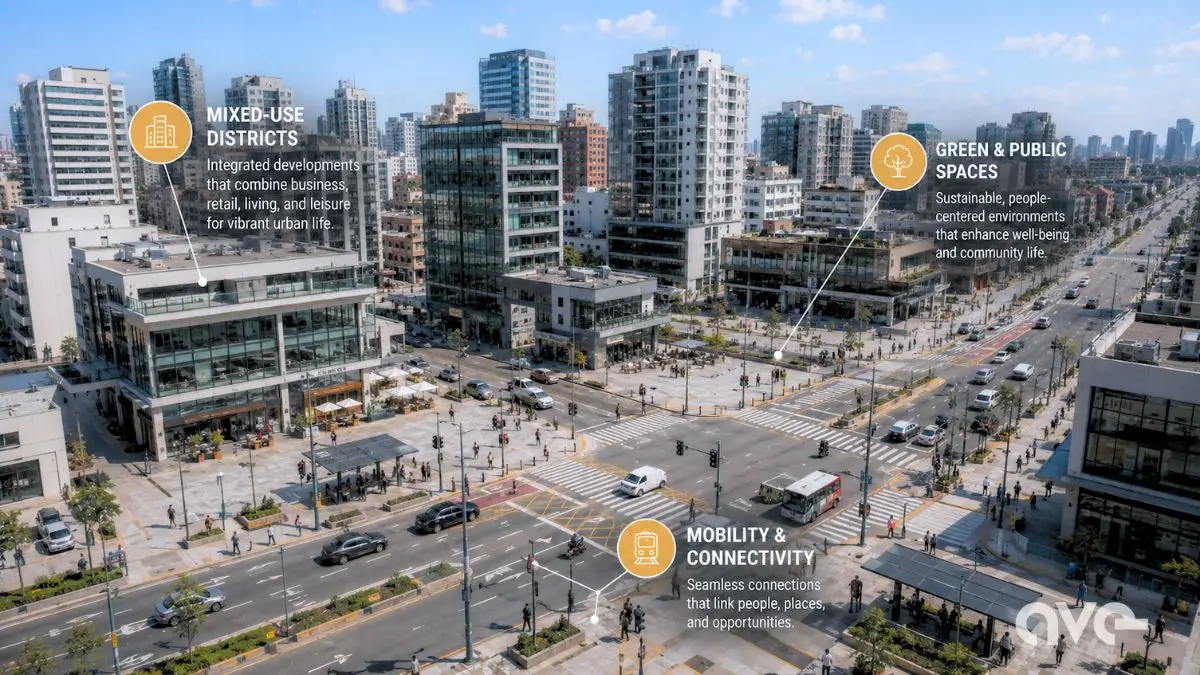
Successful destinations are supported by more than accommodations and attractions. Transportation networks, commercial districts, public spaces, utilities, and supporting businesses all contribute to creating environments where tourism, investment, and local communities can thrive together.
This integrated approach allows destinations to generate economic activity beyond seasonal tourism while encouraging new business opportunities and long-term employment. Whether in Boracay’s continued infrastructure improvements, Clark’s expanding business ecosystem, or mixed-use districts such as Bonifacio Global City, long-term success depends on creating places that support residents, businesses, and visitors alike.
A Collaborative Approach to Growth
Destination development requires collaboration between developers, investors, local governments, infrastructure providers, and private enterprises. Each plays a role in shaping places that are economically resilient and capable of adapting to changing market conditions.
Across the Philippines, integrated developments such as Bonifacio Global City, Cebu IT Park, and New Clark City illustrate how coordinated planning can bring together commercial districts, hospitality, transportation, and public spaces. This broader approach attracts not only visitors but also businesses, entrepreneurs, residents, and long-term investment.
Looking Beyond the Next Project
The most successful destinations evolve through continuous planning rather than isolated developments. From established urban districts to emerging growth centers such as Clark and Iloilo Business Park, integrating infrastructure, business ecosystems, mixed-use communities, and future investment opportunities helps create destinations that remain competitive while supporting sustainable regional growth.
As destination development continues to evolve, integrated strategies will become increasingly important in shaping communities that benefit residents, businesses, investors, and visitors alike.
Destination development is the long-term planning and coordination of infrastructure, investment, businesses, and public spaces to create destinations that support sustainable economic growth.
Coordinated planning allows destinations to balance tourism, commercial activity, infrastructure, and investment while supporting long-term regional development.
Successful destinations combine accessible infrastructure, mixed-use communities, business ecosystems, public spaces, and collaboration between the public and private sectors.
Complex projects require more than a single solution. AVE Group connects investors, businesses, developers, and industry partners through an integrated ecosystem designed to support sustainable growth and long-term success.