
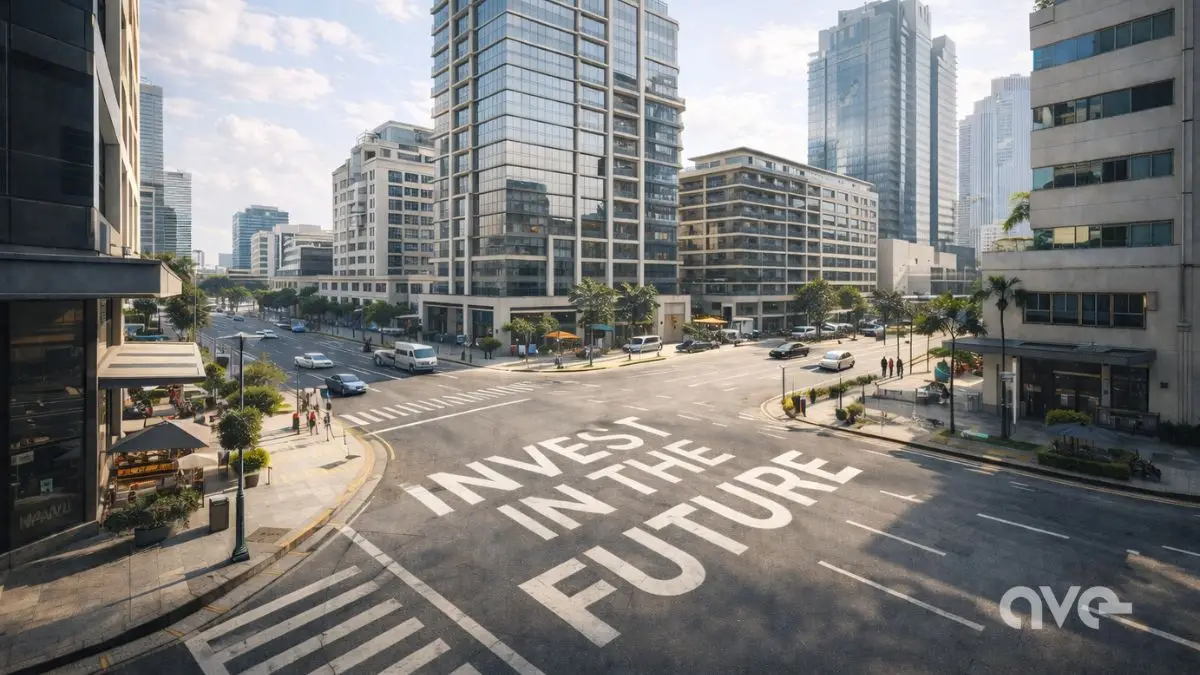
- Futuristic urbanism in the Philippines is shifting from traditional builds toward high-tech, AI-integrated residential and commercial landmarks.
- Modern township developments in BGC and Clark emphasize a seamless blend of vertical living and intelligent commercial infrastructure.
- The integration of specialized architectural design directly correlates with higher asset appreciation and long-term rental demand.
- Investors are increasingly prioritizing developments that offer advanced connectivity and futuristic aesthetics to attract premium tenants.
- Strategic planning in emerging urban corridors ensures that real estate assets remain relevant in the rapidly evolving digital economy.
The concept of the city is undergoing a radical transformation in the Philippines, moving away from the congested patterns of the past toward a model defined by futuristic urbanism. For investors, this shift represents a golden opportunity to participate in the creation of a new Philippine skyline. Futuristic urbanism in the Philippines is reshaping how residential and commercial towers are designed, prioritizing technology, modernity, and bold architectural identity. We are no longer seeing simple residential blocks or standard office towers: we are witnessing the birth of intelligent ecosystems that prioritize technology, modernity, and bold aesthetics.
The Evolution of the Vertical Landscape in the Philippines
The Philippine real estate market has historically been driven by basic utility, yet the modern era demands more. In the heart of Makati and Taguig, the demand for premium space is being redefined by a generation of investors and tenants who value design as much as location. Futuristic urbanism is about creating vertical communities that function as self-sustaining units. Modern residential towers now incorporate features that were once considered science fiction, including AI-driven climate control, touchless entry systems, and integrated workspace modules that cater to the hybrid professional.
This modernization is a direct response to the global shift in how people live and work. In a city like Manila, where space is at a premium, the efficiency of a building’s design determines its market value. By utilizing the architect-developer model, projects can achieve a level of cohesion that traditional developments lack. When the design vision is perfectly aligned with the development goals, the result is a structure that maximizes every square inch for both comfort and profit. These futuristic builds are not just residences: they are high-value assets that promise stability and growth in an increasingly volatile global market.
Defining the New Standard for Commercial Hubs
The commercial sector is also seeing a massive push toward modernity. The traditional office building is being replaced by the “smart hub,” a facility designed to support the needs of tech-heavy industries and multinational firms. In the business parks of Cebu and Iloilo, we see a surge in the construction of commercial towers that prioritize high-speed connectivity and automated building management. These structures use AI to monitor everything from occupancy levels to air quality, ensuring a superior environment for the workforce.
For the international investor, these developments represent a lower risk profile. A commercial tower that is built with futurism in mind is inherently more resilient to market changes. It attracts a higher tier of tenant, such as global BPO firms and tech startups, who are willing to pay a premium for a space that reflects their innovative brand. The integration of modern aesthetics and high-tech infrastructure makes these buildings icons of the local economy. In districts like Ortigas and the emerging hubs in Pampanga, these landmark towers are driving the appreciation of surrounding land values, creating a ripple effect of wealth for those involved in early-stage joint ventures.
Smart Cities and the Vision of New Clark City
Perhaps the most significant example of futuristic urbanism in the Philippines is the development of New Clark City. Unlike the organic and often chaotic growth of Metro Manila, Clark is being built from a master plan that prioritizes modern infrastructure and digital integration. It is a blank canvas for the most ambitious developers and architects in the country. Here, the principles of futuristic urbanism are applied on a city-wide scale, incorporating smart grids, automated transit, and AI-managed public services.
Investors are drawn to Clark because it represents the future of the Philippine economy. The city is designed to be the administrative and technological heart of the country, providing a modern alternative to the traditional capital. The residential and commercial developments within Clark are being built to the highest global standards, ensuring they remain relevant for decades. By focusing on modernity rather than traditional builds, the developers in Clark are creating a destination that is built for the 21st century and beyond. This foresight is what guarantees long-term asset appreciation and high occupancy rates for those who enter the market now.
The Investor Advantage of Iconic Design
In the world of high-value real estate, the design is the primary differentiator. A building that looks like a piece of art commands more attention and higher value than a generic box. This is the “hidden motive” behind the push for futuristic architecture in the Philippines. Iconic design serves as a permanent marketing tool, attracting high-net-worth individuals and premium corporate clients without the need for constant advertising spend. The bold lines and modern materials used in these futuristic developments create a sense of prestige that translates directly into higher rental yields.
When an investor joins a project led by a design-forward developer, they are buying into a vision of the future. The synergy between architectural excellence and development expertise ensures that the project is built to captivate the market. This is especially true in the luxury residential sector, where buyers are looking for a lifestyle that feels exclusive and advanced. From the glass-walled penthouses of BGC to the tech-integrated villas of Cebu, the message is clear: the future of Philippine real estate is modern, it is intelligent, and it is highly profitable.
Integrating AI for Future-Proof Assets
The role of technology in futuristic urbanism cannot be overstated. We are moving toward an era where buildings are no longer static objects: they are dynamic entities that respond to their environment. In the Philippines, this means integrating AI into the very core of the building’s infrastructure. Smart towers can now predict their own maintenance needs, adjust energy consumption in real time, and provide enhanced security for their occupants.
This technological integration is a key component of what we call future-proofing. By building with these technologies today, developers ensure that their assets do not become obsolete as the digital economy continues to evolve. For the investor, this means a more secure long-term hold. A building that is already equipped with the latest AI and connectivity tools will require less capital expenditure in the future, preserving the net income for the owner. This commitment to modernity is what separates the visionary developer from the traditional builder, and it is the primary reason why futuristic urbanism is the most attractive segment of the Philippine property market today.
The AVE Take
Futuristic urbanism is the new benchmark for excellence in the Philippine property sector. By prioritizing modern residential and commercial towers that integrate AI and bold design, investors can secure assets that lead the market in both aesthetic and economic performance. The synergy between visionary architecture and strategic development is the key to unlocking high-yield opportunities in emerging hubs like Clark and established districts like BGC. Futuristic urbanism in the Philippines represents a forward-looking investment strategy, ensuring long-term asset relevance in a rapidly evolving digital economy.
Futuristic urbanism focuses on creating high-tech, intelligent environments that blend modern design with AI integration.
It offers a master-planned environment with smart city infrastructure and long-term growth potential.
AI reduces operational costs and attracts premium tenants through enhanced efficiency and security.
No, these principles are increasingly applied across various market segments.
It creates landmark buildings that naturally attract attention and drive higher occupancy and pricing.
AVE Group Inc. provides expert consultancy and strategic management for modern residential and commercial developments across the Philippines. We serve as a dedicated venture partner, connecting investors with prime urban locations, specialized design expertise, and future-ready property opportunities.