
- Specialized hospitality architecture acts as a primary catalyst for increasing property valuation and long-term asset appreciation.
- Iconic, futuristic designs serve as a powerful marketing tool that naturally reduces the cost of customer acquisition for luxury resorts.
- Integration of Artificial Intelligence in resort design optimizes operational efficiency and enhances the high-end guest experience.
- Strategic architectural planning ensures that hospitality assets remain relevant and competitive against global luxury standards.
- Investing in visionary design leads to higher occupancy rates and premium pricing in established and emerging Philippine destinations.
The global luxury travel market is undergoing a radical transformation, and the Philippines is positioned to become a central hub for this new era of experiential tourism. For the modern investor, the traditional metrics of hospitality success are no longer sufficient. While location and service remain important, the physical identity of a resort or hotel has become the most significant factor in determining its long-term profitability. Specialized hospitality architecture in the Philippines is no longer a luxury: it is a strategic financial tool that directly influences return on investment. In an age where digital visibility dictates market share, a building that functions as a landmark provides a competitive edge that traditional structures simply cannot match.
Architecture as a Revenue Driver in Luxury Tourism in the Philippines
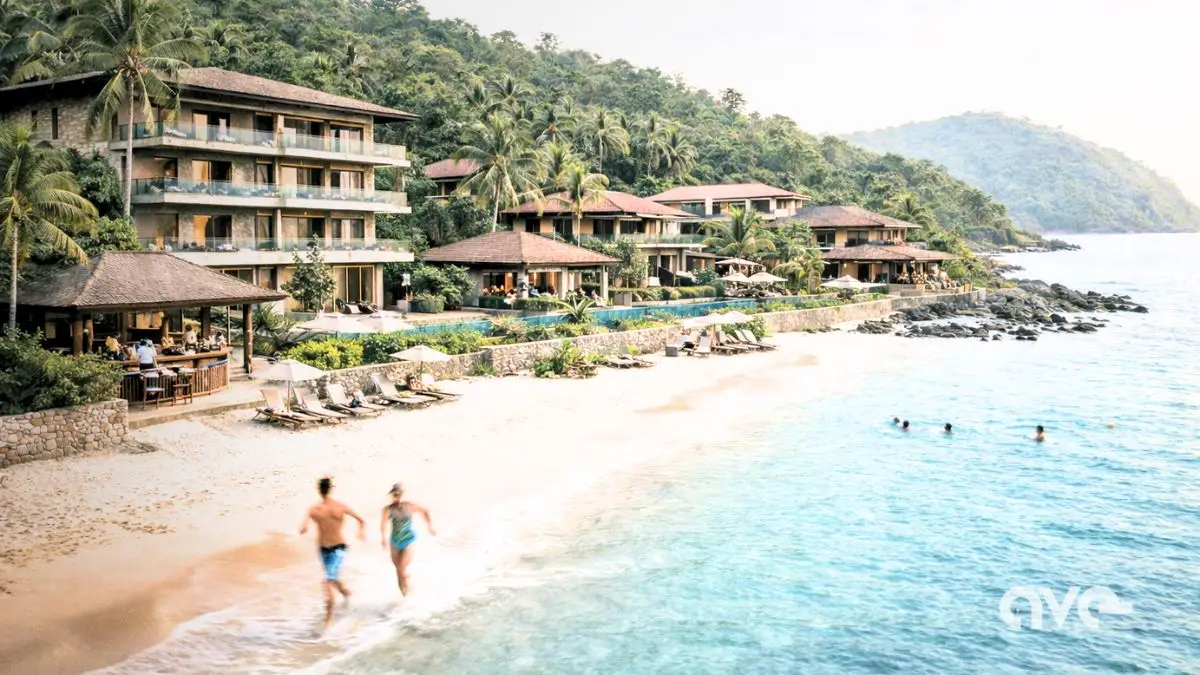
In the competitive landscapes of Boracay, Palawan, and Cebu, the visual impact of a property often serves as the first point of contact for potential guests. When an investor prioritizes specialized architecture, they are essentially investing in a permanent marketing asset. A futuristic resort with bold, avant-garde lines becomes a focal point for social media and global travel publications, generating organic reach that would otherwise cost millions in advertising spend. This phenomenon, often referred to as destination architecture, ensures that the property itself is the primary draw for the traveler.
The ROI of visionary design is evident in the premium pricing that these assets can command. Travelers seeking luxury are no longer satisfied with standard five-star amenities: they are looking for an environment that feels like a glimpse into the future. By moving away from conventional “tropical” aesthetics and toward futuristic, modern urbanism, developers can capture a more sophisticated demographic. These guests are willing to pay a significant premium for the privilege of staying in a space that reflects a forward-thinking, high-tech identity. The result is a substantial increase in Average Daily Rate and Revenue Per Available Room, which are the lifeblood of hospitality investment.
The Synergy of Design and Operational Efficiency
A common misconception among generalist developers is that specialized architecture is purely about aesthetics. In reality, a design-led development firm understands that the true value of hospitality architecture lies in the intersection of form and function. Through the lens of the architect-developer model, every design choice is vetted against its impact on operational costs. For instance, the strategic orientation of a building can maximize natural airflow and light, reducing the long-term energy load of the property.
Modern hospitality projects in the Philippines are now incorporating Artificial Intelligence into the very fabric of their design. Smart sensors can adjust room environments based on occupancy, while predictive maintenance systems alert owners to potential issues before they become costly repairs. When these technologies are integrated during the architectural phase rather than added as an afterthought, the efficiency gains are compounded. This proactive approach to design ensures that the asset remains cost-effective to operate even as labor and utility costs rise, preserving the investor’s margins over the decades.
Creating High-Value Assets in Emerging Regional Hubs
While Metro Manila continues to see high demand for luxury business hotels, the real growth opportunities for specialized hospitality architecture are found in the regions. Places like Siargao, Bohol, and the emerging coastlines of Northern Palawan are becoming the new stages for futuristic resort development. These areas provide a blank canvas for developers to create iconic structures that define the local identity.
In these regional hubs, the architect-developer advantage is particularly pronounced. By bringing a specialized design perspective to a joint venture, an investor can ensure that their project stands out in a market that is often saturated with generic builds. A resort in Siargao that blends modern, futuristic elements with the rugged beauty of the coast creates a unique value proposition. This architectural differentiation is what drives asset appreciation. As the region develops, the most iconic and well-designed properties see the highest growth in land value, providing a secondary layer of profit for the long-term holder.
Enhancing the Guest Journey through AI and Modernism
The guest of the future expects a seamless, tech-enabled experience that begins the moment they view the property online. Specialized architecture supports this journey by creating spaces that are optimized for digital interaction and physical comfort. Modern luxury is increasingly defined by the absence of friction, and a well-planned architectural layout plays a key role in this.
From automated check-in kiosks integrated into futuristic lobbies to AI-driven concierge services, the modernization of the hospitality sector is well underway in the Philippines. These elements work in harmony with the architectural vision to create a cohesive brand story. When a guest walks into a resort that looks and feels like a masterpiece of modern engineering, their perception of value is immediately heightened. This emotional connection is what leads to high guest retention and positive reviews, creating a virtuous cycle of occupancy and revenue growth.
The Strategic Value of Design Longevity
One of the greatest risks in hospitality investment is the threat of obsolescence. Traditional designs can quickly become dated, requiring expensive renovations to stay competitive. However, futuristic and modern architecture is designed with longevity in mind. By utilizing advanced materials and a visionary aesthetic, these buildings remain relevant for much longer than their conventional counterparts.
Specialized design firms focus on creating timeless icons rather than following fleeting trends. In the Philippine context, this means building structures that can withstand the tropical climate while maintaining a high-tech, sophisticated appearance. The durability of the materials and the forward-thinking nature of the design ensure that the property continues to attract high-end guests for twenty or thirty years without needing a complete overhaul. This long-term relevance is a critical component of a successful investment strategy, as it protects the capital value of the asset.
The AVE Take
The success of a hospitality investment in the Philippines is inextricably linked to the quality of its architecture. By moving beyond traditional building models and embracing a specialized, design-forward approach, investors can unlock significant ROI. The synergy of modernity, AI integration, and futuristic aesthetics creates assets that not only command premium prices but also appreciate in value over time. Specialized hospitality architecture in the Philippines serves as a long-term investment strategy, providing the foundation for high-yield, world-class destinations.
Iconic and modern architectural designs turn buildings into landmarks, which naturally appreciate at a higher rate than standard properties.
While some tech can be retrofitted, the most efficient systems are those integrated into the architectural plan from the start.
The country offers high-growth tourism hubs and a strong cultural openness to modernization and technology.
A specialist focuses on optimizing guest experience, operational flow, and revenue-generating spatial design.
High-impact architecture attracts organic attention, reducing reliance on paid advertising.
AVE Group Inc. provides expert consultancy and strategic management for high-yield hospitality projects throughout the Philippines. We serve as a dedicated venture partner, connecting investors with specialized design expertise and prime tourism locations.